BOARD
PRESIDENT Nathalie BOLFAN-CASANOVA
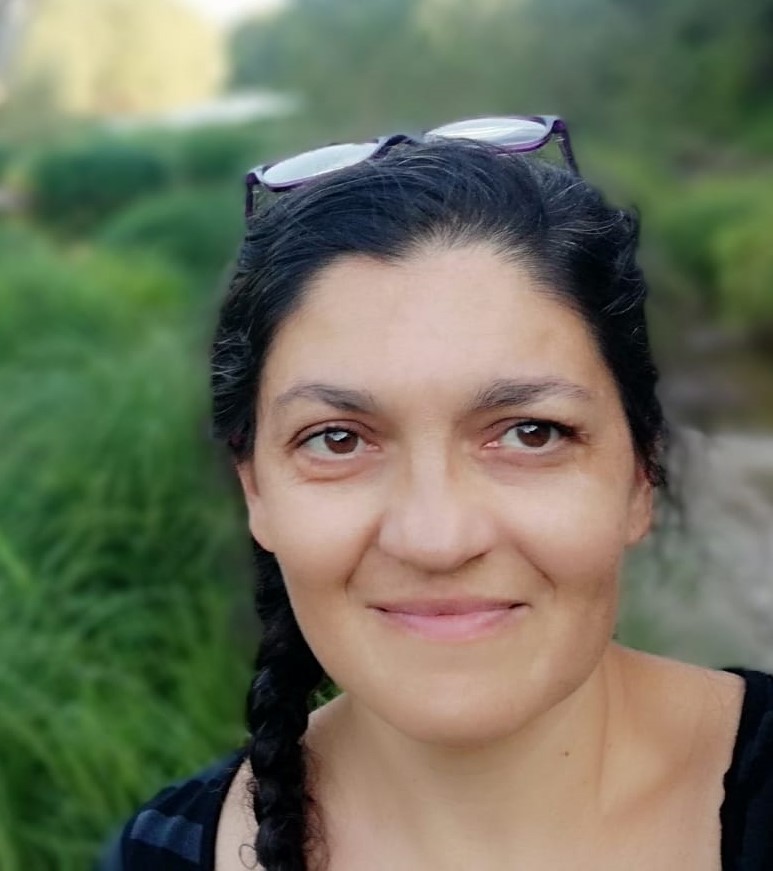
Nathalie is a research director at the CNRS within the Experimental Petrology Team at the Magmas and Volcanoes Laboratory (Clermont-Ferrand). She is an experimentalist who produces representative samples of the deep Earth and other planets in order to study the incorporation of point defects, such as hydrogen or ferric iron. She has specialised in high-pressure techniques and has also participated in the development of various spectroscopic analysis methods (FTIR, Raman, XANES, ERDA).
VICE-PRESIDENT Hélène BUREAU
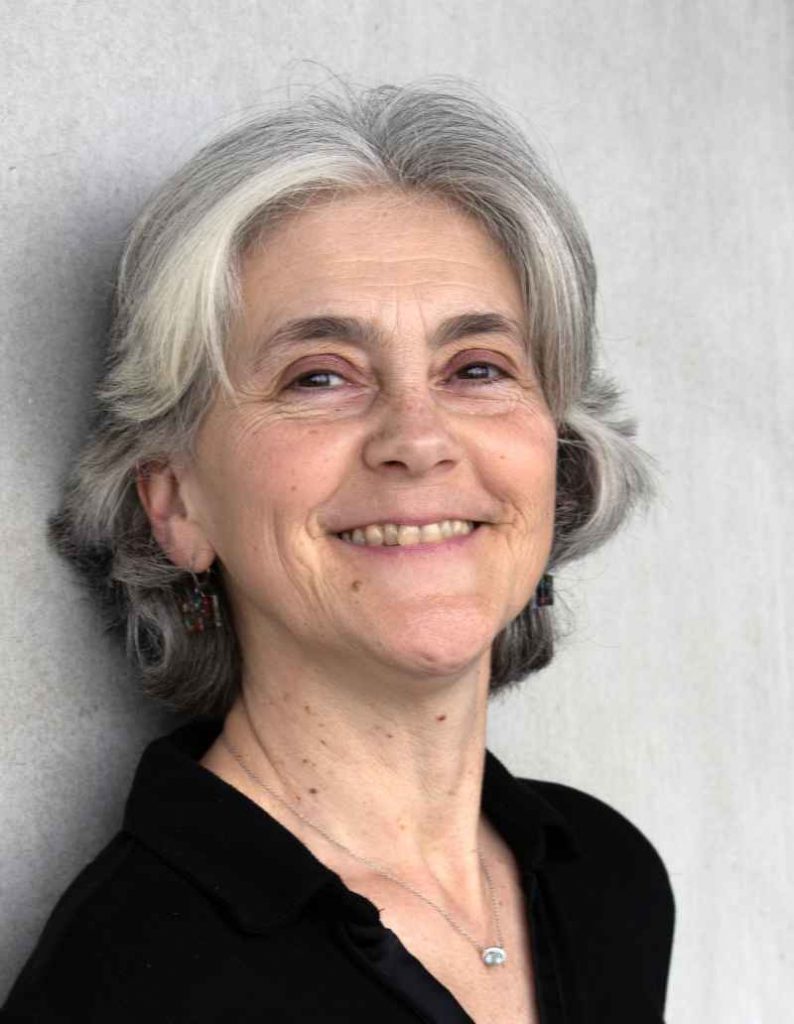
Hélène is Director of Research at the CNRS at the Institute of Mineralogy, Physics of Materials and Cosmo-Chemistry (Sorbonne University – CNRS – National Museum of Natural History). Her work focuses on the fate of volatile elements (hydrogen, carbon, halogens, etc.) in the Earth’s interior: cycles and transfers, storage and origin. To this end, she uses high-pressure and high-temperature experiments combined with in situ characterisation (synchrotron radiation), ion beam microanalysis methods, and comparison of experimental results with the study of natural samples. Her main topics concern the conditions for diamond growth and the storage of volatile elements in the Earth’s mantle and magmatic degassing.
VICE-PRESIDENT Pierre LANARI
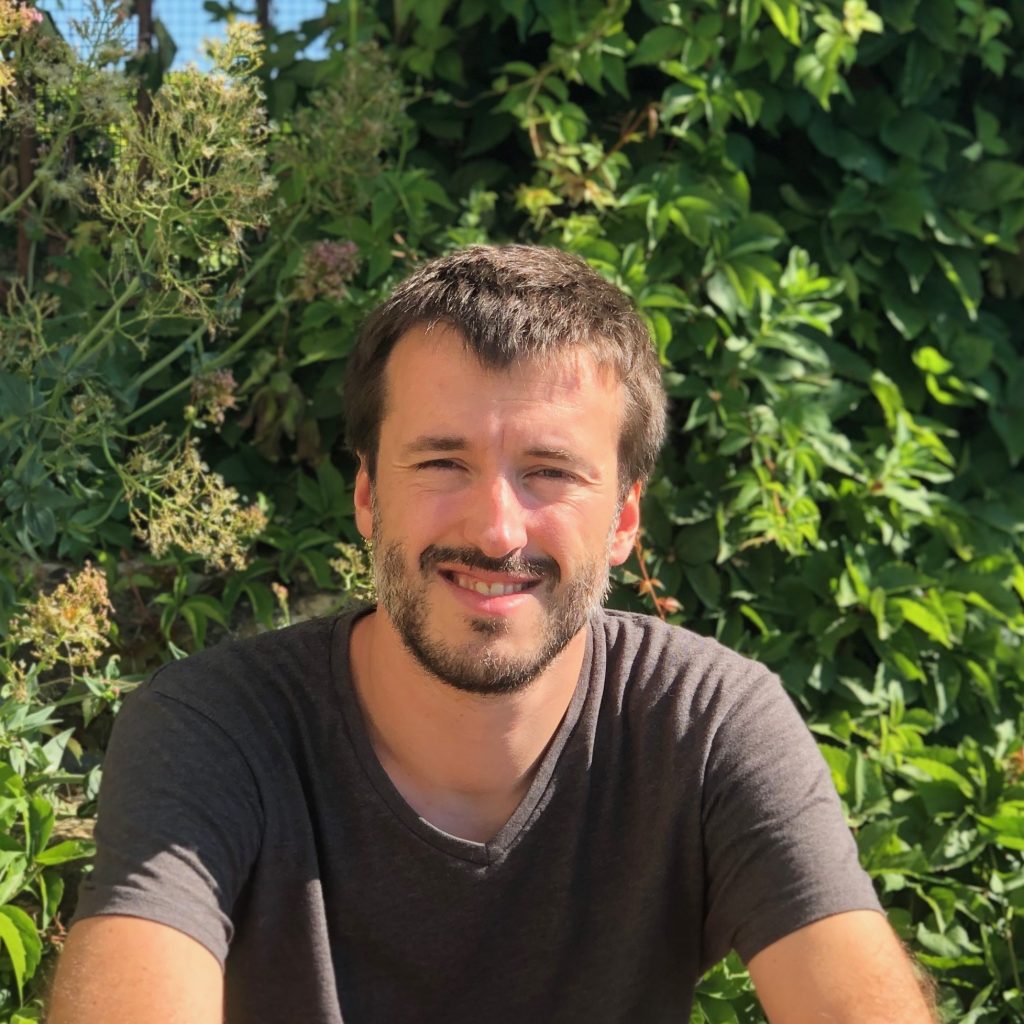
Pierre is a professor at the Institute of Earth Sciences at the University of Lausanne, where he works in the field of metamorphic processes. He specialises in thermodynamics and chemical and/or isotopic analyses using electron microprobes and LA-ICP-MS. He has also developed a programme (XMapTools) for quantitative micro-cartographic analysis. This technique is used in conjunction with geochronology to determine the speeds and conditions of crystallisation of metamorphic parageneses, particularly in high-pressure rocks.
SECRETARY GENERAL Mary-Alix KACZMAREK
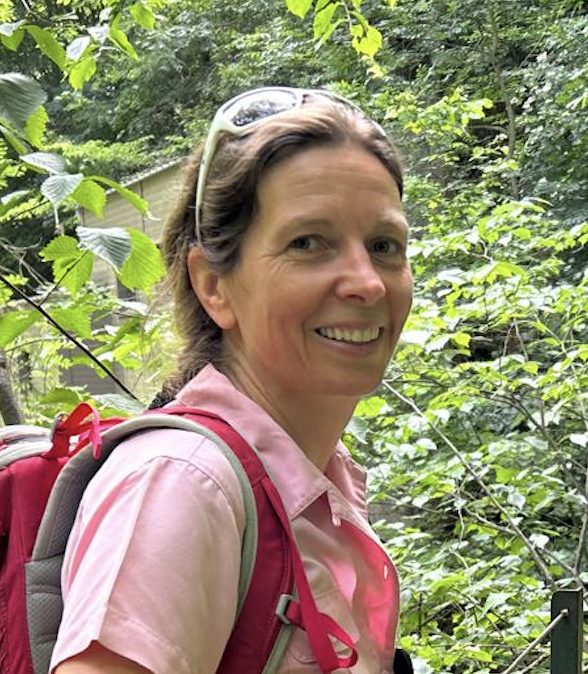
Mary-Alix Kaczmarek is a senior lecturer at Paul Sabatier University in Toulouse and conducts her research at the Toulouse Geosciences Environment Laboratory (GET). She is a field geologist and petrologist interested in magmatic processes and the deformation of the Earth’s mantle, other planets and small bodies. Her current areas of study are the oceanic crust, the formation of ocean-continent transitions, the subcontinental mantle with the Moho in Europe and the Andes, and achondrite meteorites. Her preferred analysis techniques are optical and electron microscopes, EBSD, electron microprobe, and laser coupled with ICPMS.
DEPUTY SECRETARY GENERAL Adrien NÉRI
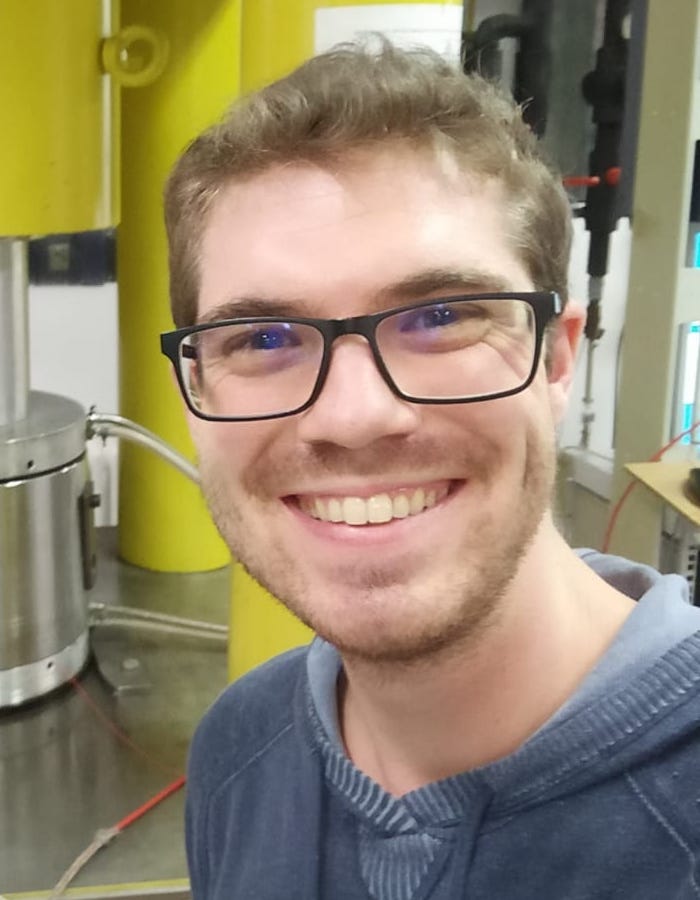
Adrien is a senior lecturer at the University of Lille, working within the Terrestrial and Planetary Materials team of the Materials and Transformations Unit (UMET). His work focuses on studying the internal structure of terrestrial objects in our solar system, as well as the planetary evolution processes that led to this result. To do this, he uses experimental methods under extreme pressure and temperature conditions, combined with in-situ characterisation (under synchrotron beam) of the physical properties of minerals and rocks. Direct comparison of experimental data with geophysical and geodetic observations of terrestrial objects allows the study of mantle seismic anomalies. In particular, his research focuses on the characterisation and formation of an anomalous layer at the boundary between the core and the lunar mantle, and on the impact of the microscopic distribution of liquids on the elastic properties of aggregates.
TREASURER Christian CHOPIN
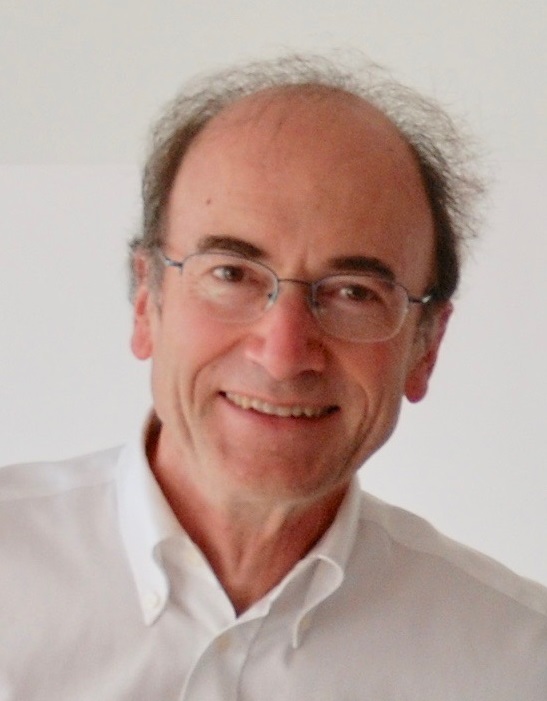
Christian is Emeritus Research Director at the CNRS, at the Geology Laboratory of the École Normale Supérieure (Paris). His main areas of interest are metamorphic and experimental petrology, phase relationships, fluid-rock interactions, and the characterisation and crystallochemistry of minerals, particularly silicates and phosphates. From 2001 to 2018, he edited the SFMC journal, European Journal of Mineralogy.
DEPUTY TREASURER Benoît DUBACQ
Benoît is a research fellow at the CNRS assigned to the Paris Institute of Earth Sciences. He studies fluid-rock interactions in metamorphic rocks using thermodynamic modelling and crystallochemical methods to better understand the history of rocks in the lithosphere and reconstruct their pressure-temperature-time trajectory. His recent research includes the sharing of trace elements between fluids and minerals.
NEWSLETTER EDITOR / “ELEMENTS” CORRESPONDENT Guillaume DELPECH
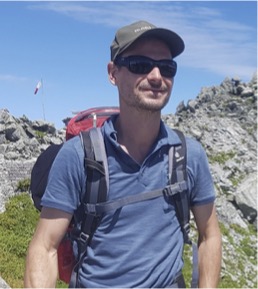
Guillaume is an associate professor at Université Paris Saclay and at Paris Saclay Geosciences Laboratory (GEOPS), petrologist and geochemist specialised in magmatic rocks and processes. His work focuses primarily on the nature and evolution of the lithosphere and Earth’s mantle using different types of mantle and magmatic rocks found in various geodynamic contexts. He is particularly interested in magmatism in hotspot contexts, studying the oceanic islands of the French Southern and Antarctic Lands (TAAF). He mainly uses microanalysis techniques such as SEM, electron microprobe and LA-ICP-MS, combined with global geochemical analyses of rocks and various geochronology techniques.
GUEST MEMBER FOR EMC 2028 Emilie BRUAND
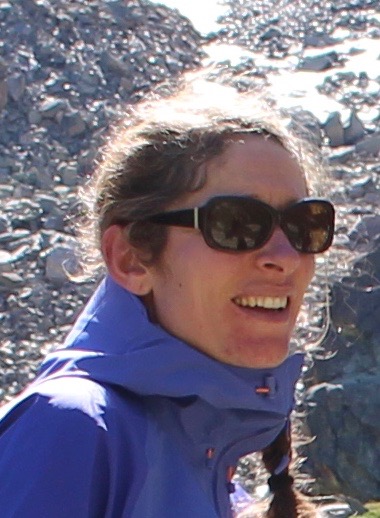
Emilie Bruand is a CNRS research fellow at the Magmas and Volcanoes Laboratory in Clermont-Ferrand. Her research focuses on exploiting the chemical signatures preserved in rare earth minerals in order to understand geodynamic processes on a global scale. In recent years, she has developed new petrological tools using in-situ analytical techniques (microprobe, ion probe, LA-(MC)-ICPMS) to reconstruct the evolution of magmatic and metamorphic rock records through geological time. Her research interests include crustal evolution, the early Earth, high-grade metamorphic rocks, magmatic and metamorphic petrology, and neodymium and oxygen isotopes.
COUNCILORS
2026–2029
Elodie AMIGUET
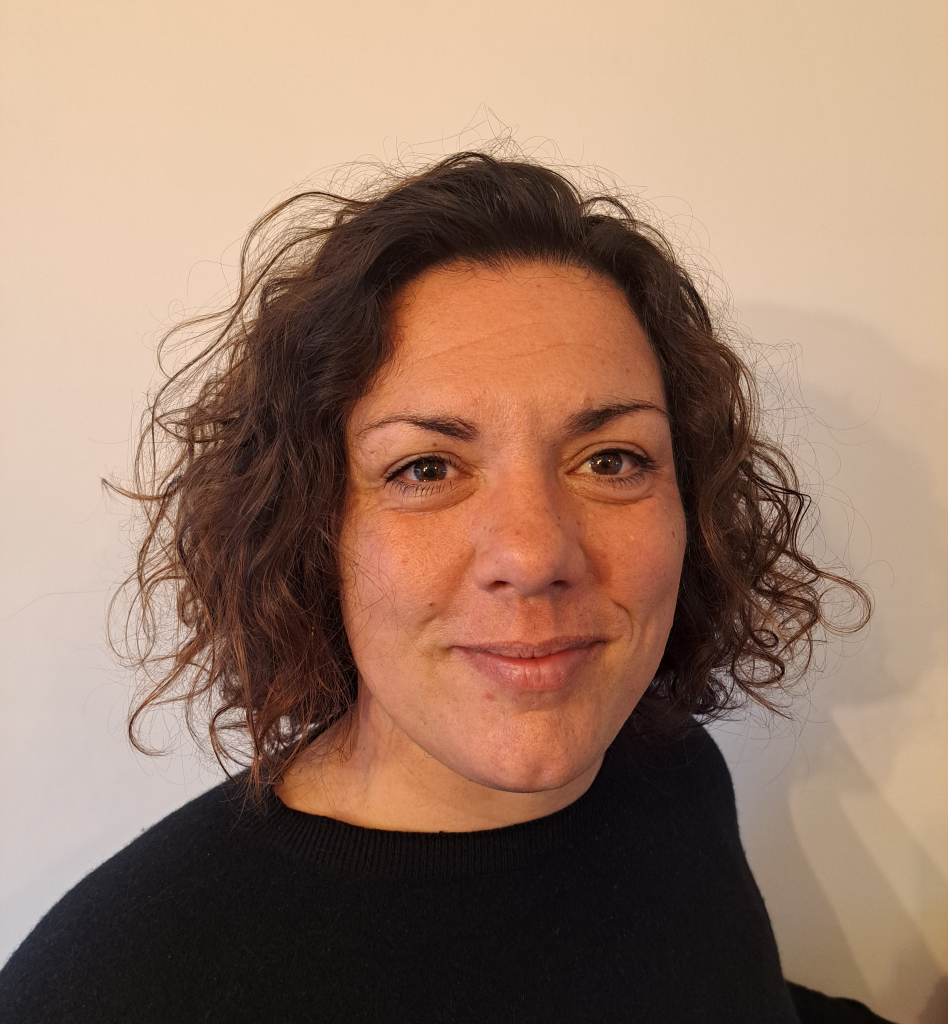
Elodie is a mineralogist and doctor of materials science who has developed a career at the interface between fundamental research in mineral physics and the raw materials industry. After ten years of academic research (thesis and post-doctorates) devoted to the study of the plasticity of minerals under high pressure and associated microstructures, she turned her career towards industrial challenges. She now applies her skills to the qualification and transformation of mineral resources, process innovation and circularity issues, in a framework based on strong interactions between R&D, industrial sites and cross-functional roles.
Céline BAUDOUIN
Céline is a senior lecturer at the Paris Institute of Earth Sciences (Sorbonne University). She is a petrologist specialising in magmatic and mantle processes, particularly those related to intracontinental magmatism (alkaline volcanism and carbonatite). Her work focuses on the role of volatile elements and redox conditions during magmatic differentiation in reservoirs, as well as the distribution of rare earth elements in alkaline magmas. To this end, she uses in situ analytical techniques, including electron microscopy, laser-coupled mass spectrometry and synchrotron radiation techniques (XANES).
Rémi COLTAT
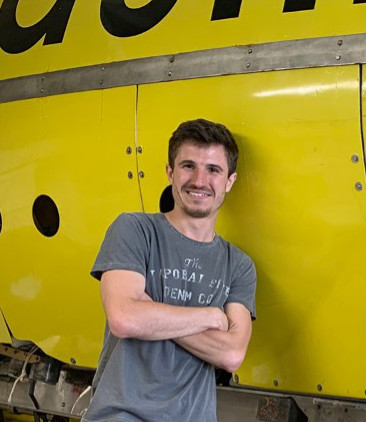
Rémi is a Senior Lecturer at the University of Orléans and conducts his research at the Orléans Institute of Earth Sciences. He is a mantle petrologist and is particularly interested in fluid-rock interactions in oceanic domains, elemental mobility and the formation of mineralisation in the oceanic lithosphere. His research focuses on both current oceanic domains (Mid-Atlantic Ridge) and ophiolites (Alps, Cyprus), where he combines structural geology, petrology, elemental and isotopic geochemistry, and thermodynamic modelling.
Caroline LOTOUT
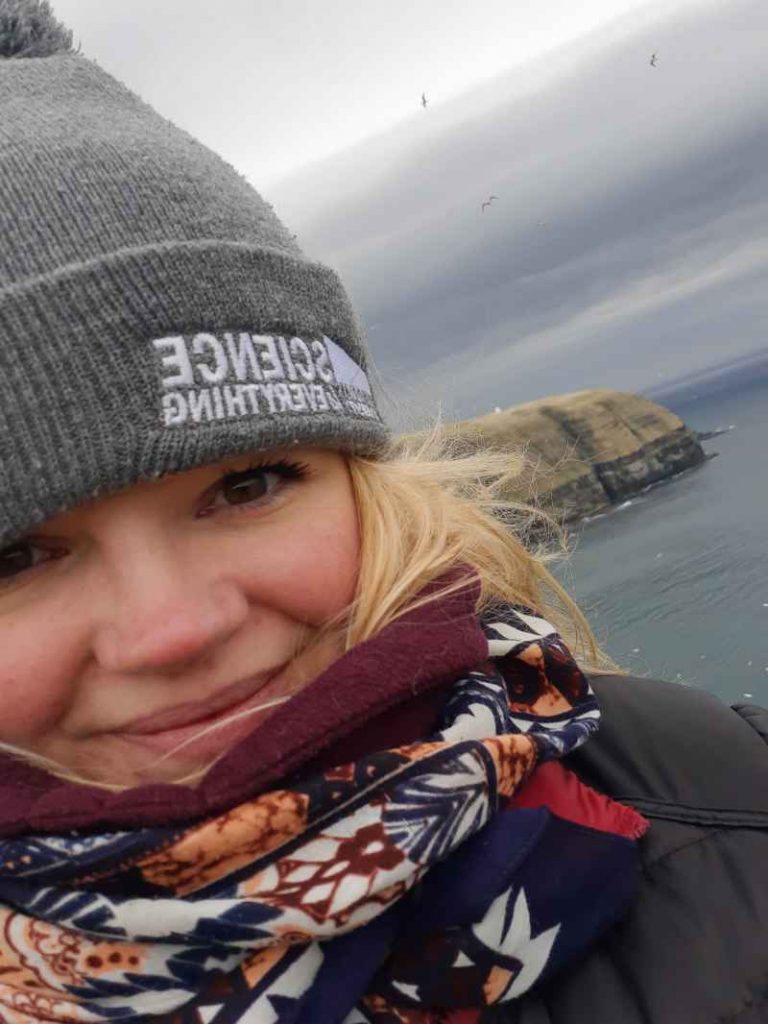
Caroline is a Senior Lecturer at the Magmas and Volcanoes Laboratory at Clermont Auvergne University. Her research combines geochemistry and metamorphic petrology with the dual objectives of reconstructing and discussing the evolution of the lithosphere in convergence zones and over geological time, and providing a better understanding of the recording of petrochronometers during metamorphism.
Guillaume SIRON
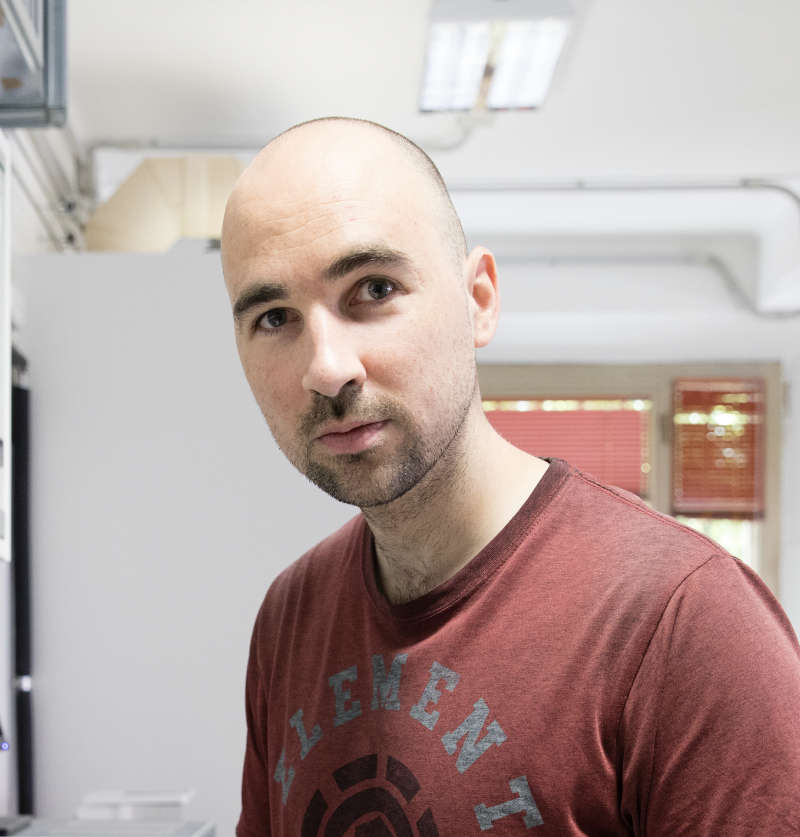
Guillaume is a Junior Professor at Marie & Louis Pasteur University in Besançon. He is part of the Chrono-environment laboratory. He is a metamorphic petrologist with a particular interest in fluid-rock interactions. His current research topics focus on the generation of natural hydrogen during serpentinisation, whether in subduction or reverse rift contexts, with a particular focus on the impact of fluid chemistry. To this end, he combines the use of in-situ geochemical methods (SEM, EPMA, SIMS) with thermodynamic and numerical modelling.
2024–2027
Julie AUFORT
Julie is a research fellow at the CNRS at the Institute of Mineralogy, Materials Physics and Cosmo-Chemistry (IMPMC). A physical chemist, she probes matter at the atomic and molecular scale to determine the mechanisms at mineral-fluid interfaces involved in various fundamental natural processes in geochemistry, such as biomineralisation, fossilisation and alteration. In particular, she studies nucleation and crystal growth in solution, mineral-organic interactions and the incorporation of impurities, combining spectroscopic and numerical approaches.
Baptiste DEBRET
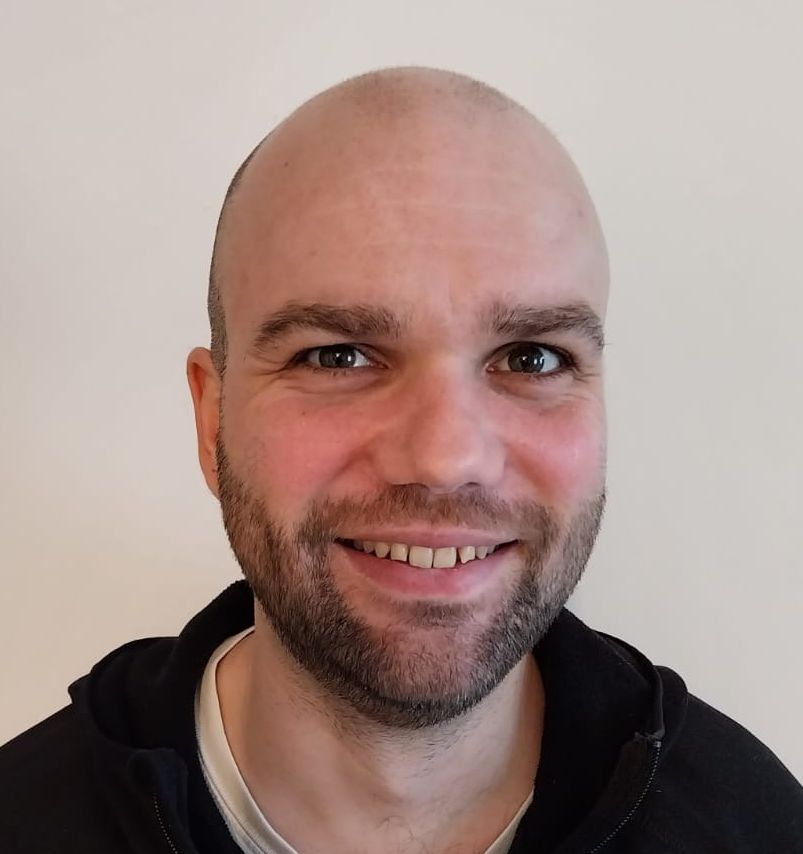
Baptiste is a permanent researcher employed by the French National Centre for Scientific Research (CNRS) and working at the University of Paris Cité – Institut de Physique du Globe de Paris (IPGP). His research covers the fields of geology, metamorphic petrology and stable isotope geochemistry. He studies natural samples collected from mid-ocean ridges (e.g., the Rainbow hydrothermal site), subduction zones (e.g., the Mariana forearc), and collision zones (Alps and Himalayas) to track redox transfers associated with (de)serpentinisation reactions.
Anne-Céline GAREL-LAURIN
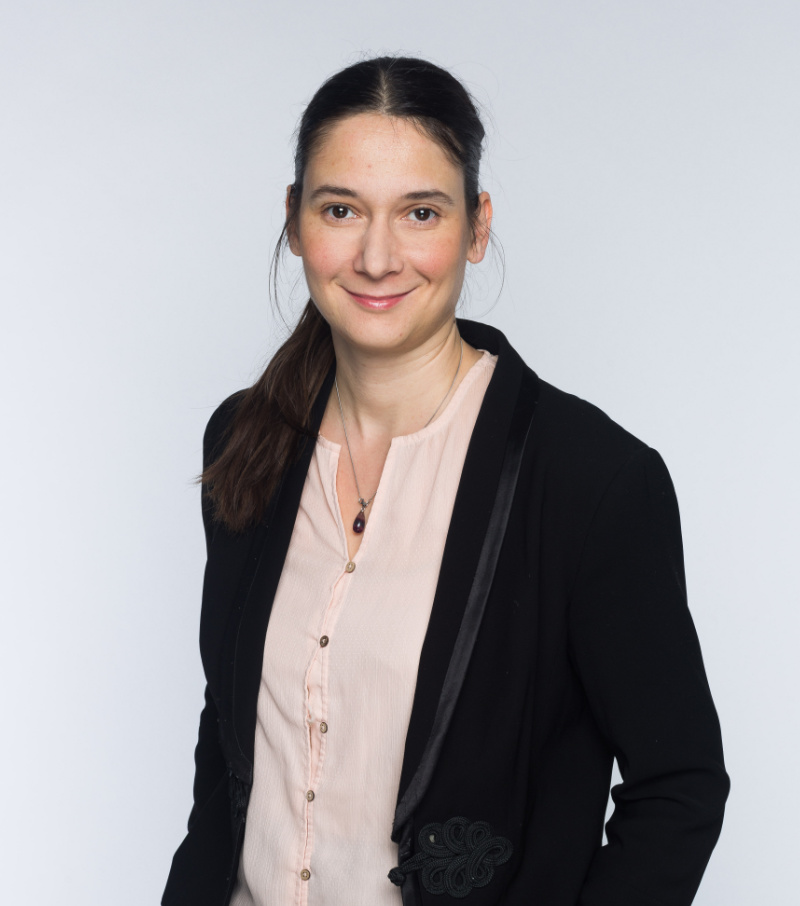
After completing a PhD and post-doctoral studies dedicated to fundamental research in geology, Anne-Céline has been applying her skills as a geologist and petrologist to industrial R&D for construction materials since 2019. Her areas of interest are related to mineral raw materials and glass. She is currently in charge of a team of around twenty researchers and technicians.
Emilie JANOTS
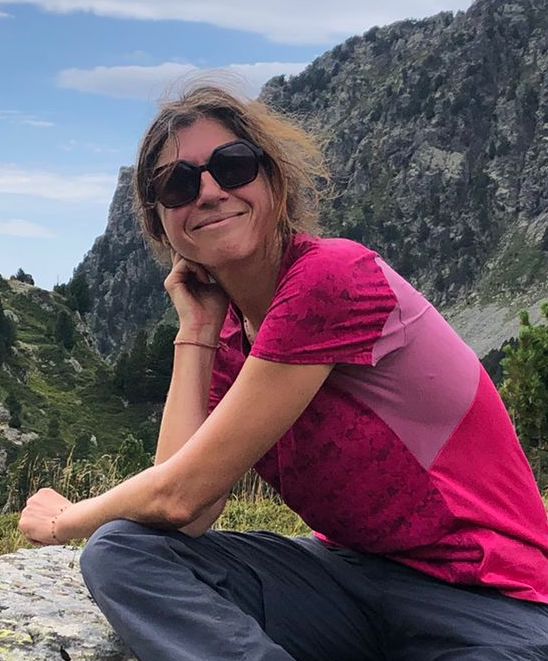
Emilie is a Senior Lecturer at the ISTerre laboratory at Grenoble-Alpes University and co-manager of the geological collections at the Grenoble Observatory of Universe Sciences. Her research focuses on rare earth elements and critical metals, metamorphic petrology, alpine geology, geochronology, and fluid/rock/deformation interactions.
Isabella PIGNATELLI
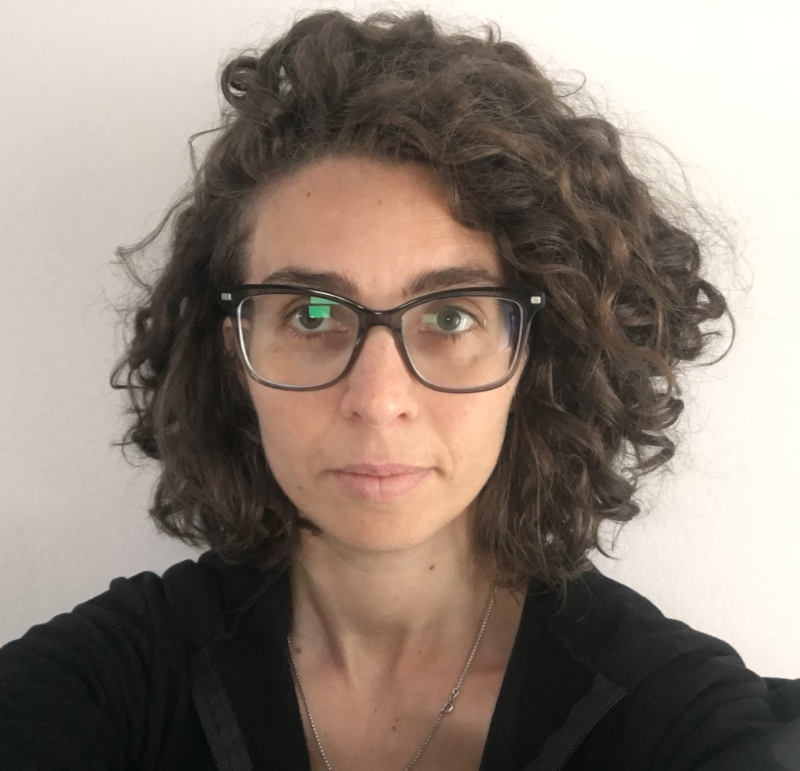
Isabella is a Senior Lecturer at the University of Lorraine assigned to the CRPG. She is interested in the link between the composition and structural characteristics of minerals and their conditions of formation/alteration. She studies minerals found in terrestrial samples (e.g. gems) and extraterrestrial samples (meteorites). She has also worked with minerals formed in anthropogenic contexts, i.e. in clay barriers for radioactive waste storage and in concrete used in nuclear power plants.
AUDITORS
Jannick INGRIN
CNRS Research Director at LMTG at the University of Lille.
Jannick is a specialist in experimental mineralogy, and is particularly interested in measuring the physico-chemical properties of minerals, atomic diffusion, deformation and reaction kinetics. His recent work deals with the speciation of water in the mantle’s anhydrous minerals.
Céline Rommevaux
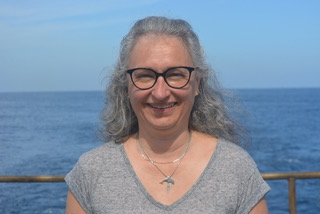
CNRS Senior Research Fellow at the Marseille Institute of Oceanology (MIO).
Geophysicist by training, specialist in Geomicrobiology, her work concerns the interaction of microorganisms with the rocks of the oceanic crust, and the influence of environmental variations on microbial structures and communities, in particular on iron-rich mats of the ocean floor . Her multidisciplinary approach combines fieldwork (oceanographic campaigns), in situ microbial colonisation through instrumental developments, molecular biology, microbial ecology through Omics methods, and microscopy and spectroscopy for the characterisation of biomineral phases.